
The French Republican calendar was used to date civil records from autumn 1793 to December 31, 1805. Year I begins on September 22, 1792, and every year has 12 months of 30 days, plus 5 or 6 extra days (the complementary days). To convert the date of a record, enter the day, month and year in the converter below: 12 Brumaire Year IX is November 3, 1800.
Have you found a date like “12 Brumaire Year IX” or “9 Thermidor Year II” in a birth, marriage or death record? It is a date from the French Republican calendar, also called the revolutionary calendar, used in France from autumn 1793 to 1805. The converter below turns it into a Gregorian date, the calendar we use today. It also works the other way around.
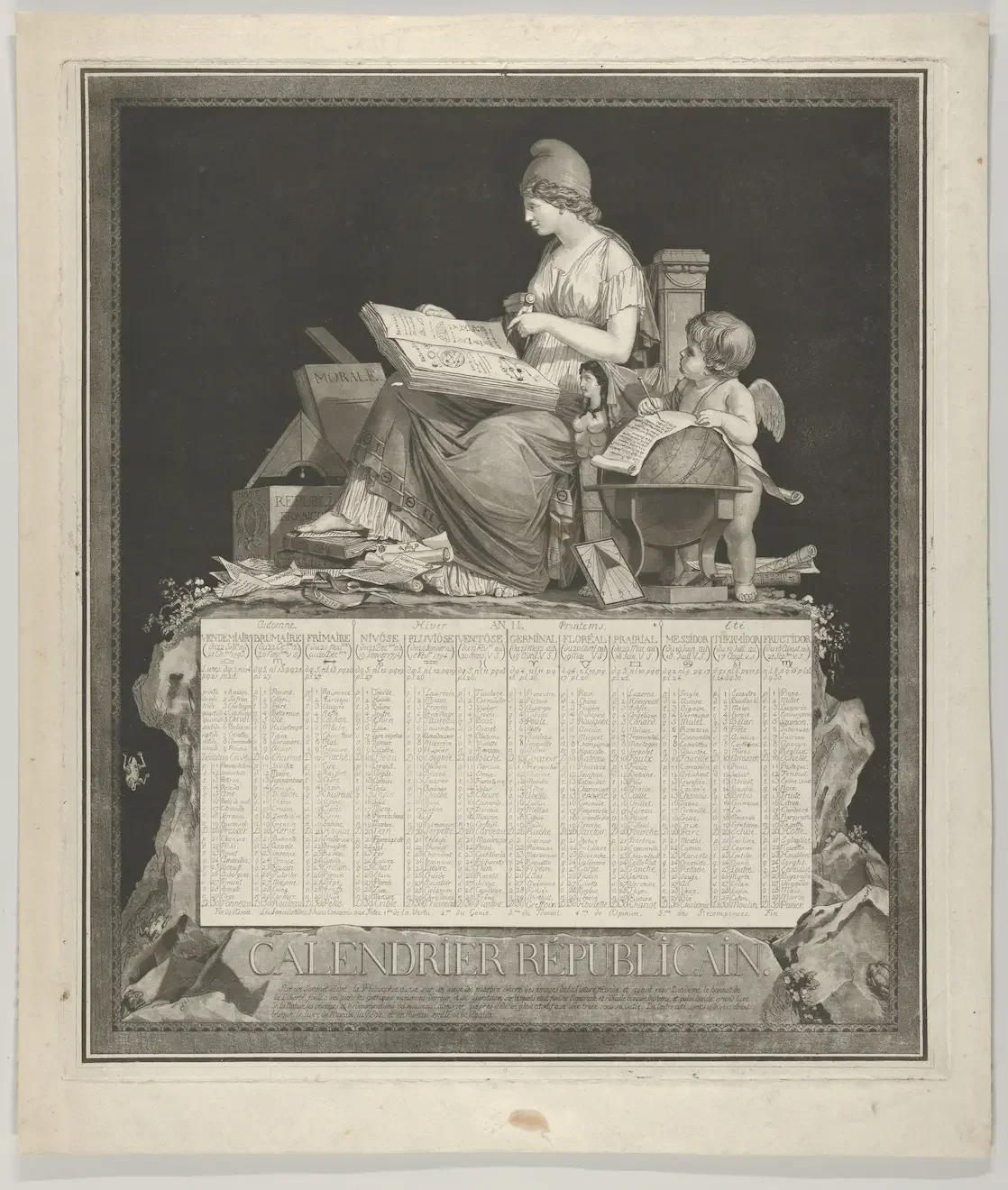
Louis Philibert Debucourt, French Republican Calendar, 1793. Etching and aquatint. The Metropolitan Museum of Art, New York, 2013.252. Public domain.
Convertisseur de dates du calendrier républicain
Why do records from 1793 to 1805 carry revolutionary dates?
On September 22, 1792, the Republic was proclaimed, and that day became the first day of Year I. The Republican calendar was decreed by the National Convention on October 5, 1793 (14 Vendémiaire Year II), then reworked by a second decree on November 24, 1793 (4 Frimaire Year II). It was applied retroactively from September 22, 1792. It replaces saints’ days and weeks with months named after nature and with ten-day periods.
Civil records kept at the town hall since September 1792 are therefore mostly dated in the Republican calendar from autumn 1793. Those from September 1792 to autumn 1793 are generally still dated in the Gregorian calendar. The switch from one calendar to the other could vary from one town to another: always check in the register.
The calendar remained in use until December 31, 1805. A senatus consultum (a decree of the Senate) of 22 Fructidor Year XIII (September 9, 1805) restored the Gregorian calendar from January 1, 1806.
How the Republican calendar works
The year has 12 months of 30 days, plus 5 complementary days at the end, or 6 in leap years, called sextile years (III, VII and XI). The year begins on 1 Vendémiaire, around September 22.
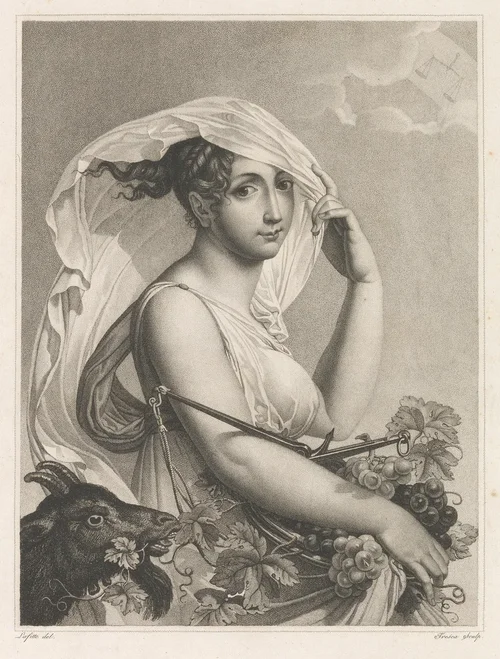
Vendémiaire
From the Latin “vindemia”, the grape harvest: the month when grapes are picked.
From September 22 to October 21, give or take a day.
Print: Salvatore Tresca, after Louis Lafitte, Vendémiaire, from the Republican Months, 1792-1794. Stipple engraving, etching and engraving, trial proof. Rijksmuseum, Amsterdam, RP-P-2017-6023-1. Public domain. See the original at the Rijksmuseum ↗
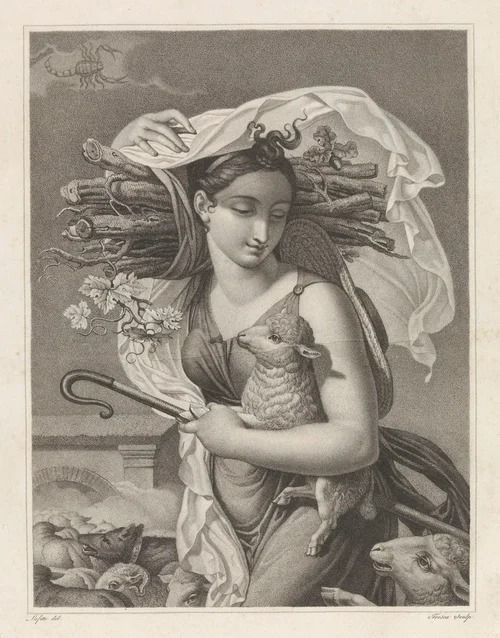
Brumaire
From “brume”, mist: the month of autumn fogs.
From October 22 to November 20, give or take a day.
Print: Salvatore Tresca, after Louis Lafitte, Brumaire, from the Republican Months, 1792-1794. Stipple engraving, etching and engraving, trial proof. Rijksmuseum, Amsterdam, RP-P-2017-6023-2. Public domain. See the original at the Rijksmuseum ↗
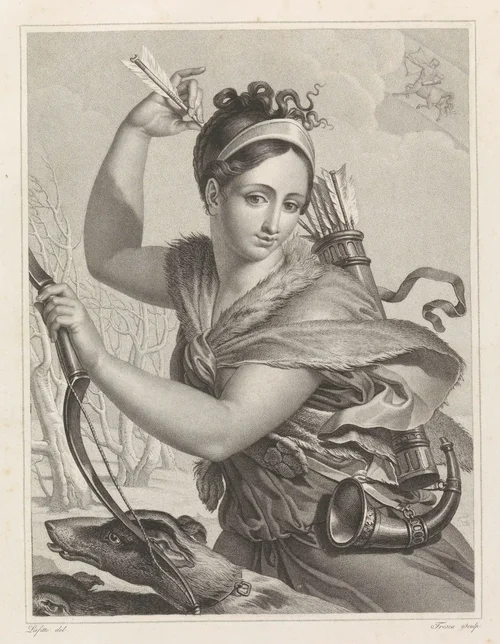
Frimaire
From “frimas”, hoarfrost: the month of frost and the first hard cold.
From November 21 to December 20, give or take a day.
Print: Salvatore Tresca, after Louis Lafitte, Frimaire, from the Republican Months, 1792-1794. Stipple engraving, etching and engraving, trial proof. Rijksmuseum, Amsterdam, RP-P-2017-6023-3. Public domain. See the original at the Rijksmuseum ↗
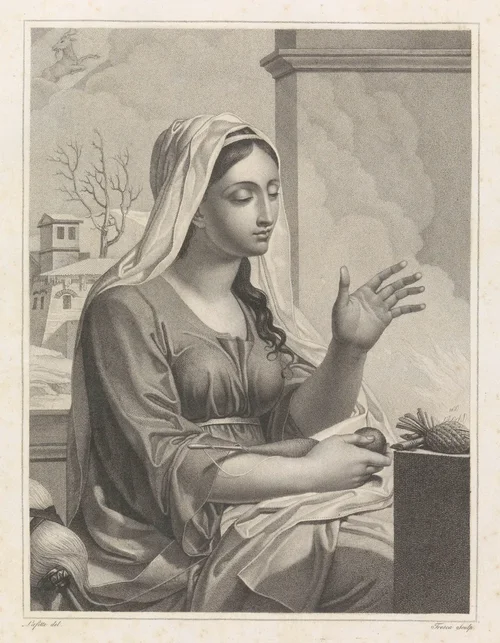
Nivôse
From the Latin “nix, nivis”, snow: the month of snow.
From December 21 to January 19, give or take a day.
Print: Salvatore Tresca, after Louis Lafitte, Nivôse, from the Republican Months, 1792-1794. Stipple engraving, etching and engraving, trial proof. Rijksmuseum, Amsterdam, RP-P-2017-6023-4. Public domain. See the original at the Rijksmuseum ↗
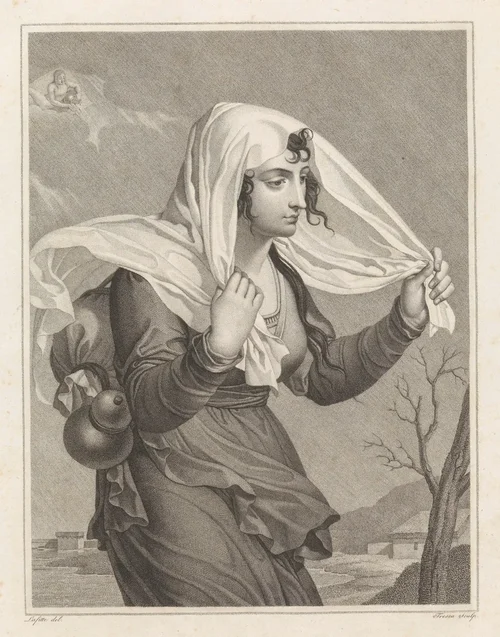
Pluviôse
From the Latin “pluviosus”, rainy: the month of winter rains.
From January 20 to February 18, give or take a day.
Print: Salvatore Tresca, after Louis Lafitte, Pluviôse, from the Republican Months, 1792-1794. Stipple engraving, etching and engraving, trial proof. Rijksmuseum, Amsterdam, RP-P-2017-6023-5. Public domain. See the original at the Rijksmuseum ↗
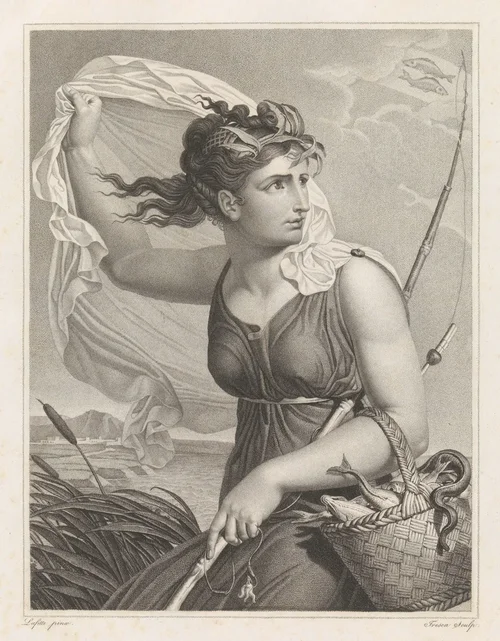
Ventôse
From the Latin “ventosus”, windy: the month of the strong winds of late winter.
From February 19 to March 20, give or take a day.
Print: Salvatore Tresca, after Louis Lafitte, Ventôse, from the Republican Months, 1792-1794. Stipple engraving, etching and engraving, trial proof. Rijksmuseum, Amsterdam, RP-P-2017-6023-6. Public domain. See the original at the Rijksmuseum ↗
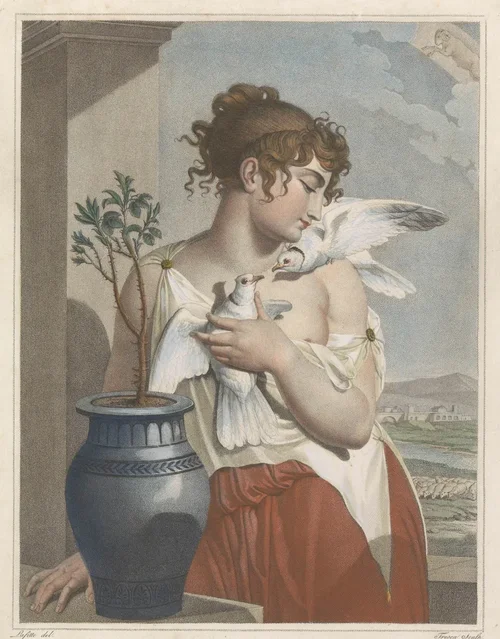
Germinal
From the Latin “germen”, the germ: the month when seeds sprout in spring.
From March 21 to April 19, give or take a day.
Print: Salvatore Tresca, after Louis Lafitte, Germinal, from the Republican Months, 1792-1794. Stipple engraving, etching and engraving, hand-colored. Rijksmuseum, Amsterdam, RP-P-2017-6023-7. Public domain. See the original at the Rijksmuseum ↗
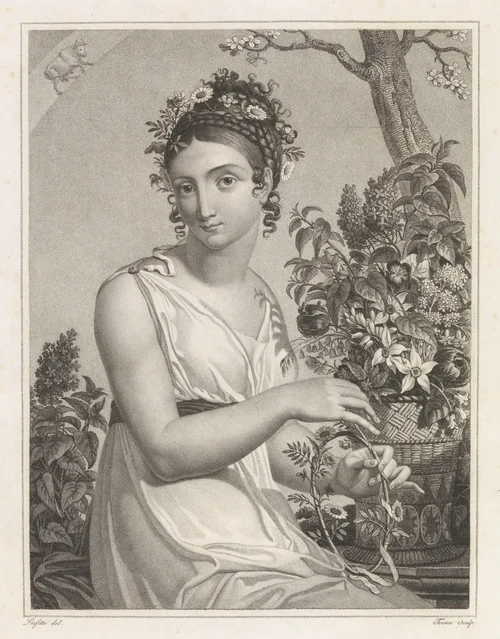
Floréal
From the Latin “flos”, flower, through “floreus”, in bloom: the month when everything flowers.
From April 20 to May 19, give or take a day.
Print: Salvatore Tresca, after Louis Lafitte, Floréal, from the Republican Months, 1792-1794. Stipple engraving, etching and engraving, trial proof. Rijksmuseum, Amsterdam, RP-P-2017-6023-8. Public domain. See the original at the Rijksmuseum ↗
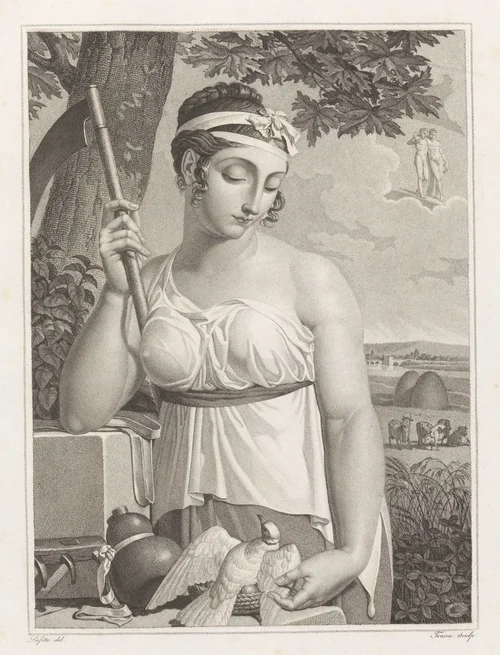
Prairial
From “prairie”, meadow: the month of the meadows, when the grass is mown.
From May 20 to June 18, give or take a day.
Print: Salvatore Tresca, after Louis Lafitte, Prairial, from the Republican Months, 1792-1794. Stipple engraving, etching and engraving, trial proof. Rijksmuseum, Amsterdam, RP-P-2017-6023-9. Public domain. See the original at the Rijksmuseum ↗
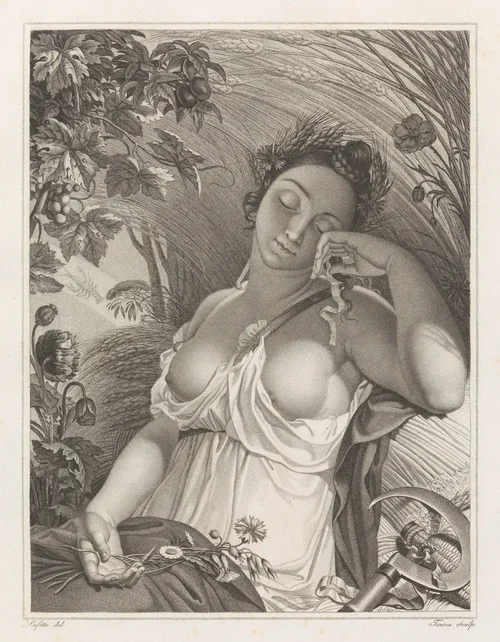
Messidor
From the Latin “messis”, harvest, and the Greek “dôron”, gift: the month when the wheat is harvested.
From June 19 to July 18, give or take a day.
Print: Salvatore Tresca, after Louis Lafitte, Messidor, from the Republican Months, 1792-1794. Stipple engraving, etching and engraving, trial proof. Rijksmuseum, Amsterdam, RP-P-2017-6023-10. Public domain. See the original at the Rijksmuseum ↗
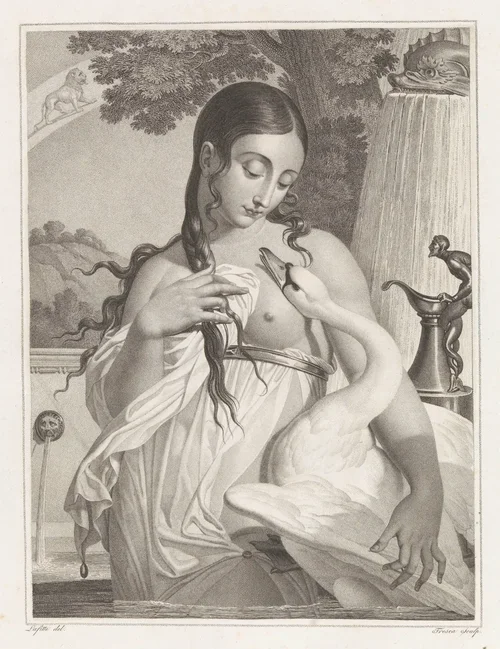
Thermidor
From the Greek “thermos”, hot, and “dôron”, gift: the hottest month of summer.
From July 19 to August 17, give or take a day.
Print: Salvatore Tresca, after Louis Lafitte, Thermidor, from the Republican Months, 1792-1794. Stipple engraving, etching and engraving, trial proof. Rijksmuseum, Amsterdam, RP-P-2017-6023-11. Public domain. See the original at the Rijksmuseum ↗
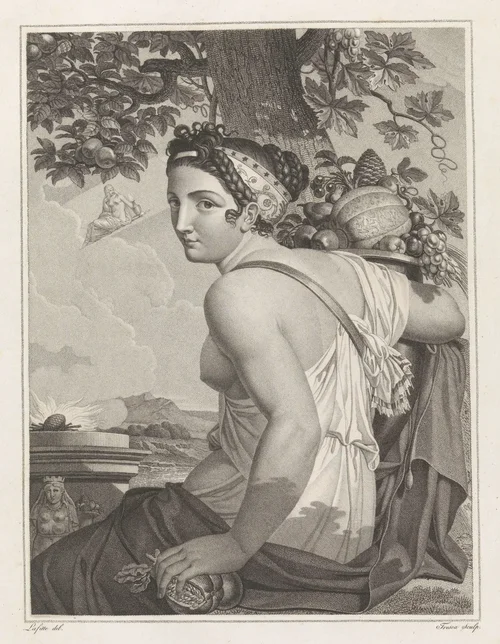
Fructidor
From the Latin “fructus”, fruit, and the Greek “dôron”, gift: the month when fruit ripens.
From August 18 to September 16, give or take a day.
Print: Salvatore Tresca, after Louis Lafitte, Fructidor, from the Republican Months, 1792-1794. Stipple engraving, etching and engraving, trial proof. Rijksmuseum, Amsterdam, RP-P-2017-6023-12. Public domain. See the original at the Rijksmuseum ↗
These landmarks vary by a day from year to year, because 1 Vendémiaire sometimes falls on September 22, 23 or 24. For an exact date, use the converter. The complementary days (or sansculottides) each have a name: Virtue, Genius, Labor, Opinion, Rewards, and, in leap years, the Revolution.
The days of the décade
There is no longer a 7-day week: each month is divided into three décades of ten days, whose names come from Latin: primidi, duodi, tridi, quartidi, quintidi, sextidi, septidi, octidi, nonidi and décadi. Décadi replaced Sunday as the day of rest. The complementary days belong to no décade.
Reading a Republican date in a record
 1
2
3
- 1The day, written out in full (“quatre”, four). It is sometimes replaced by the day of the décade: “le duodi”, “le décadi”.
- 2The month, here in full (“pluviôse”), often abbreviated: vend., brum., frim., niv., pluv., vent., germ., flor., prair., mess., therm., fruct.
- 3The year, here written out (“quatrième”, fourth), most often in Roman numerals (Year II, Year IX), sometimes in digits (Year 9).
Good to know
In a month, a day above 30 is impossible: re-read the number, because a 1 and a 7 are easily confused.
Before autumn 1793: usually dated in the Gregorian calendar, even if it belongs to Year I.
From January 1, 1806: already in the Gregorian calendar.
How do I convert a French Republican calendar date into a regular date?
Enter the day, month and year in the converter, then click Convert. It gives you the Gregorian date and the day of the week.
When did the Republican calendar start and end?
It was decreed on October 5, 1793 with retroactive effect: its first day is 1 Vendémiaire Year I (September 22, 1792). It ends on December 31, 1805 (10 Nivôse Year XIV).
How many days are in a month and in a year?
Each month has 30 days. The year has 365, or 366 in Years III, VII and XI, thanks to the complementary days.
What do “primidi”, “duodi” and “décadi” mean?
They are the names of the days of the décade: first day, second day… tenth day.
Why is my 1792 or early 1793 record in the Gregorian calendar?
Records from before autumn 1793 are generally still dated in the Gregorian calendar, even if they belong to Year I. The switch from one calendar to the other could vary from one town to another: always check in the register.
My date looks impossible, what should I do?
First check how you read the record (day, month, year), then the abbreviation of the month. The converter tells you what it does not recognize.
Version française : Convertisseur de dates du calendrier républicain en ligne
